
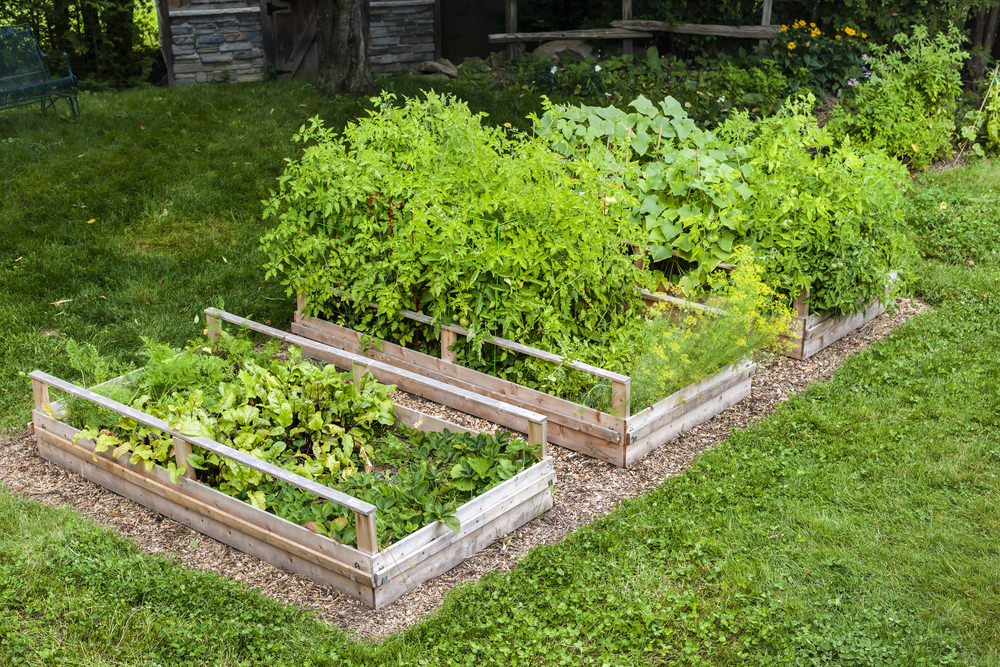
Mulch is one of the simplest yet most powerful things I do for my raised garden beds every single season. It keeps the soil moist longer, stops weeds before they start, regulates temperature in those elevated beds that heat up and dry out fast, and slowly feeds the soil as it breaks down. In my own raised garden beds, adding the right mulch has cut my watering time in half, reduced weeding to almost nothing, and helped my vegetables grow stronger with bigger yields. If you want thriving plants without constant fuss, mulch for raised garden beds is the answer.
I learned early on that raised garden beds lose moisture and heat quicker than in-ground gardens because they sit up in the air with more surface exposed. Without mulch, the soil bakes in summer and the top layer dries out fast. Once I started mulching properly, everything changed. My plants stayed happier, I spent less time hauling hoses, and the soil improved year after year. Let me walk you through exactly what I do, which mulches work best, and how to get the same great results in your own raised garden beds.
Why Mulch Raised Beds
Before diving into specific mulches, let’s review the key reasons you should mulch your raised garden beds:
- Retains soil moisture – Mulch prevents evaporation and reduces watering needs.
- Suppresses weeds – Blocks light needed for weed seeds to germinate.
- Regulates soil temperature – Insulates soil against extreme temp fluctuations.
- Prevents soil compaction – Allows air and water movement in soil.
- Reduces erosion – Stabilizes soil surface and prevents runoff.
- Improves soil – Adds organic matter as it decomposes over time.
- Protects plants – Acts as barrier between plants and soil-borne diseases.
Important Considerations for Mulching Raised Beds
When choosing mulch for your raised beds, keep these key factors in mind:
- Type of plants – Certain mulches are better suited for vegetables vs. flowers.
- Cost – Some mulch materials are pricier than others.
- Application – Consider how easily the mulch can be applied in your garden.
- Appearance – Mulch contributes to overall garden aesthetic
- Availability – Local accessibility and supply of certain mulches.
- Sustainability – Opt for renewable, organic mulch sources when possible.
My Top Mulch Choices for Raised Garden Beds
I’ve tried many options over the years, and these are the ones I keep coming back to for my raised garden beds. Each has its strengths depending on what I’m growing and what’s available locally.
Straw mulch is my favorite all-around choice for vegetable raised garden beds. It’s lightweight, easy to spread even around young seedlings, and does an excellent job holding moisture while letting air through. I buy seed-free wheat or oat straw bales and apply a thick 3-inch layer. It breaks down in about a year, adding organic matter without tying up too much nitrogen near my plant roots. Straw keeps the beds looking tidy and works great for tomatoes, peppers, squash, and leafy greens. The only downside is it can blow around on windy days before it settles, so I water it in lightly after spreading.
Wood chips and bark mulch give me long-lasting coverage that I don’t have to replace as often. I get arborist wood chips for free or cheap from local tree services and use them in paths and around perennial raised garden beds. They suppress weeds extremely well and look attractive. Because they’re mostly carbon, I’m careful not to mix them into the soil where they could temporarily rob nitrogen from my plants. Instead, I keep them on top as a surface mulch. They last multiple seasons and improve the soil slowly as the bottom layer breaks down. I avoid dyed bark because I don’t want any colorants near my food crops.
Shredded leaves are my budget hero when I have trees nearby. I run fallen leaves through a mower or shredder so they don’t mat into a soggy layer. A 2- to 3-inch layer of shredded leaves holds moisture beautifully, suppresses weeds, and feeds the soil with nutrients as they decompose. They’re especially good in fall when I’m putting raised garden beds to bed for winter. The only trick is making sure they’re shredded; whole leaves can form a water-repellent barrier.
Compost works double duty as both mulch and soil food. I apply a 1- to 2-inch layer of finished, crumbly compost on top of my raised garden beds in spring. It suppresses weeds, keeps soil temperatures steadier, and sends a gentle stream of nutrients down to the roots with every rain or watering. I save the thicker mulches for on top of the compost layer when I want longer-lasting coverage. Fresh compost is dark, earthy, and free of weed seeds when I buy it in bulk or make it properly myself.
Grass clippings give a nice nitrogen boost when I use them right. I let fresh clippings dry on a tarp first so they don’t mat and smell or mold. Then I spread a thin 1-inch layer in my raised garden beds around heavy feeders like tomatoes and corn. They break down quickly and add organic matter plus nitrogen. I never use clippings from lawns treated with herbicides or weed killers.
Pine straw or pine needles work well in certain situations. They’re lightweight, attractive, and decompose slowly. I use them more in flower raised garden beds or as a top layer because they can be acidic over time, though the effect is usually mild in one season. They’re great if you have a local source and want something that lasts.
I sometimes use a combination: a thin layer of compost for nutrients, then straw or shredded leaves on top for weed control and moisture. This layering gives me the best of both worlds in my raised garden beds.
How I Apply Mulch in Raised Garden Beds
Getting the application right makes all the difference. Here’s exactly what I do:
- I wait until the soil has warmed up in spring before laying down thick mulch. Applying too early can keep the soil cool and slow plant growth.
- I clear any existing weeds first so they don’t get a head start underneath.
- I spread mulch 2 to 4 inches deep across the entire bed, but I leave a small gap right around the base of each plant stem so air can circulate and rot doesn’t set in.
- For new seedlings, I use lighter mulches like straw or shredded leaves and add more as the plants grow.
- I water the mulch lightly after spreading so it settles and starts working immediately.
- Throughout the season, I pull back the mulch a bit when I need to side-dress with compost or fertilizer, then replace it.
- In fall, I add another layer or refresh what’s there to protect the soil over winter and get a head start on spring.
Replenishing once or twice a year keeps the benefits going. By the end of the season, much of the organic mulch has started breaking down and feeding the soil underneath.
Why Raised Garden Beds Benefit Even More from Mulch
Raised garden beds warm up faster in spring, which is great for getting an early start. But in summer, that same exposure means the soil can overheat and dry out quickly. Mulch insulates against both extremes. It also prevents the soil surface from crusting or eroding when I water or when heavy rains hit.
Because the soil volume in a raised bed is limited, every bit of moisture and nutrient retention counts. Mulch reduces how often I need to water and helps the soil hold onto the nutrients I add. Over multiple seasons, the decomposing mulch builds up the organic matter content, making my raised garden beds more fertile and easier to work with every year.
Common Mulch Mistakes I’ve Learned to Avoid
I used to make a few mistakes that cost me time and plants. I once applied fresh wood chips right up against stems and had some rot issues. Now I always keep mulch a couple inches away from plant bases.
I also learned not to use hay in vegetable raised garden beds because it often contains weed seeds and sometimes herbicide residues that can linger. Straw is much safer.
Another lesson: don’t apply mulch too thickly or it can smother the soil and keep it too wet. Two to four inches is plenty for most organic options. And I never till woody mulches into the soil where they can cause temporary nitrogen tie-up right around my plant roots.
My Personal Results with Mulch in Raised Garden Beds
Since I started mulching consistently, my raised garden beds have become noticeably easier to manage. I water about half as often as I used to, even in hot summers. Weeds are minimal because the mulch blocks light. The soil stays loose and crumbly instead of baking hard. My tomato plants stay healthier with less blossom end rot, and I get more consistent harvests.
Last year I compared two identical raised garden beds side by side—one mulched with straw and one left bare. The mulched bed needed far less water, had almost no weeds, and produced noticeably larger fruits. That was all the proof I needed to keep mulching every single bed.
Quick Tips for Success with Mulch for Raised Garden Beds
- Choose seed-free straw or clean wood chips to avoid introducing weeds.
- Combine mulches for best results—compost underneath for nutrients and straw on top for weed control.
- Replenish as the mulch breaks down so you always have good coverage.
- In very hot climates, consider coco coir for superior moisture retention.
- Always mulch after the soil has warmed but before summer heat arrives in full force.
- Keep mulch a few inches away from stems to prevent rot and allow airflow.
- Watch for nitrogen tie-up with fresh woody mulches and add a little extra compost or fertilizer if plants look pale.
Best Mulch for a Vegetable Garden
FAQ
What mulch is best for a raised garden bed?
Should I put mulch under my raised garden bed?
Is it okay to put mulch in a vegetable garden?
What is best to put on bottom of raised garden bed?
Is Mulch good for raised beds?
Mulch has many benefits for all types of gardens, including raised beds. It helps maintain soil moisture, suppresses weeds, and regulates soil temperature, amongst other things. However, there are different types of mulch, and you may need to be selective when choosing one for your garden beds. How do you pick the perfect mulch for raised beds?
Does mulch reduce weeds in raised beds?
Mulches further suppress the growth of weeds. Besides reducing weeding, mulches also help retain water in raised beds, which may dry out faster than in-ground gardens. Mulch can also help with soil temperature control and soil enrichment in raised beds.
Can you put organic mulch in a raised garden bed?
There are lots of options for organic mulch in a raised garden bed. Large wood chips take longer to break down than finer pieces (such as sawdust). This means that a layer of wood chip mulch will last longer, so you won’t need to replace it so often. Wood chips last longer than sawdust, but they will still decompose.
Can you put plastic mulch on a raised bed?
However, plastic mulches may make the soil too warm for cool-weather crops such as lettuce or spinach. A layer of mulch that is too thick or too close to plants will hurt or kill them. Of course, retaining soil moisture in a raised bed is important, since they tend to drain faster than the surrounding soil.
What mulch is best for raised garden beds?
The best mulch for raised garden beds is straw (not hay), shredded leaves, or coconut coir. These organic materials retain vital soil moisture, prevent weeds, and decompose to enrich your soil. Avoid using common landscaping wood chips or bark inside your vegetable beds, as they can unbalance soil nutrients and are difficult to plant through.
What is the 3 3 3 rule for mulch?
The 3-3-3 rule for mulch is an industry-standard guidelines framework used by arborists and gardeners to safely and effectively apply mulch around trees

- How Fast Does Boston Ivy Grow? A Complete Growth Guide - June 9, 2026
- Gravel for Garden Beds: A Functional and Beautiful Option - June 9, 2026
- The Best Mulch for Raised Garden Beds – Pros, Cons, and Tips - June 9, 2026