
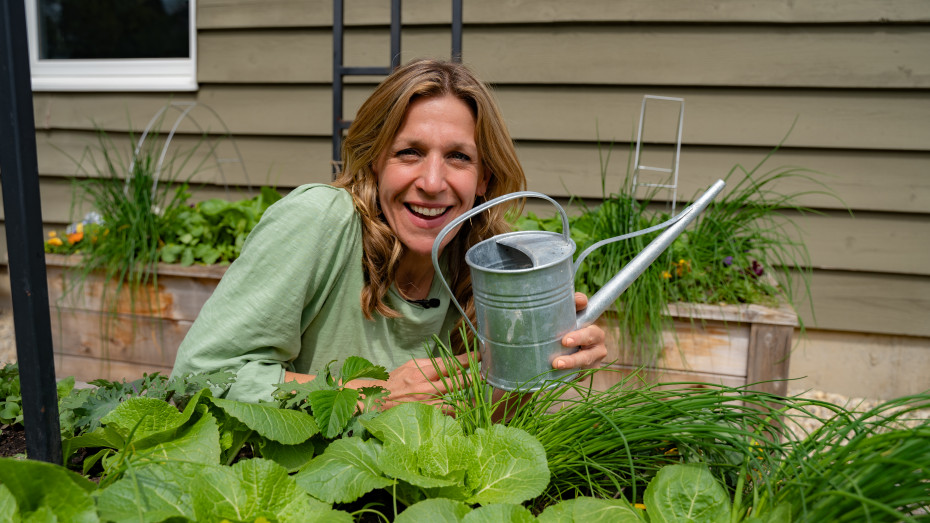
Raised garden beds need watering more often than in-ground gardens because they lose moisture faster through evaporation and drainage. In my own backyard, I usually water my raised garden beds every 1 to 2 days during hot summer months, but only 1 to 2 times per week in spring and fall. The exact schedule depends on your climate, soil mix, plant types, bed depth, and weather. I check the soil an inch down with my finger every morning and water deeply when it feels dry. This approach has saved my vegetables from wilting more times than I can count, and it keeps my raised garden beds producing bumper crops all season long.
I learned this the hard way after my first season when I treated my raised garden beds like regular garden plots. They dried out fast, leaves curled, and fruit stayed small. Now I follow a flexible plan that works with nature instead of against it. We can make watering raised garden beds straightforward so your plants stay happy, roots grow deep, and harvests stay abundant. Let’s get right into what matters most so you can adjust your own raised garden beds today.
Raised Beds Lose Water Faster
Raised garden beds are highly productive and make gardening accessible. But because they are in containers, they dry out faster than plants planted in the ground for a number of reasons:
- More exposed surface area leads to quicker moisture evaporation
- Elevated beds aren’t insulated by surrounding soil and cool earth
- Loose, well-draining raised bed soil holds less water
- Shallow beds provide less capacity for moisture reserves
- Plants are densely packed so they drink up water rapidly
For these reasons, raised beds usually need watering about twice as often as in-ground gardens. But many variables impact exact frequency.
Why Raised Garden Beds Need More Frequent Watering
Raised garden beds dry out quicker than traditional beds for several reasons I see every day in my setup. The elevated sides expose more surface area to sun and wind, pulling moisture away faster. Loose, well-draining soil in raised garden beds holds less water than dense ground soil. Plants packed closely together drink up resources rapidly. Shallow beds have smaller moisture reserves, and there’s no surrounding earth to insulate and hold humidity.
Because of this, I water my raised garden beds about twice as often as I would in-ground plants. But it’s not a fixed rule. I always monitor instead of guessing. Deep watering encourages strong roots that reach down for moisture, making plants more resilient. Consistent moisture in raised garden beds prevents stress that leads to pests or disease. Once you nail the rhythm for your raised garden beds, everything else in the garden gets easier.
Key Factors That Change How Often I Water My Raised Garden Beds
No two raised garden beds are exactly alike, so I consider these factors every time I step outside:
- Climate and weather: Hot, dry, windy days mean I water my raised garden beds daily. Cool, humid, or rainy periods let me skip days. I keep a simple rain gauge near my raised garden beds to track natural water.
- Bed style and size: Smaller or shallow raised garden beds (under 12 inches deep) need more frequent attention than deeper ones. Self-watering raised garden beds cut frequency dramatically.
- Soil composition: Sandy soil in my raised garden beds drains fast so I water more often. Loamy or compost-rich mixes hold moisture longer. I always add compost and mulch to my raised garden beds to improve retention.
- Plants I’m growing: Seedlings in raised garden beds need daily gentle water until roots establish. Thirsty plants like cucumbers, zucchini, tomatoes, and melons in my raised garden beds drink more. Leafy greens and beans handle slightly drier conditions.
- Time of season: Spring and fall let me water raised garden beds 1-2 times weekly. Peak summer heat pushes me to every 1-2 days. In winter, dormant raised garden beds need almost nothing.
I adjust for all these in my raised garden beds weekly. Paying attention beats any rigid calendar.
Here’s a quick table I use to plan watering for my raised garden beds based on common scenarios:
| Season | Shallow Beds (6-12 in) | Deep Beds (18+ in) | Sandy Soil | Loamy/Compost Soil | Notes for Raised Garden Beds |
|---|---|---|---|---|---|
| Spring | 2-3 times/week | 1-2 times/week | Every 2-3 days | 1-2 times/week | Focus on seedlings |
| Summer | Every 1-2 days | Every 2-3 days | Daily or every day | Every 2 days | Check after heat waves |
| Fall | 2 times/week | 1 time/week | Every 2-3 days | 1 time/week | Reduce as temps drop |
| Winter | Sparingly | Almost none | Minimal | Minimal | Only if active plants |
I print this and keep it by my garden tools for quick reference with my raised garden beds.
Signs That Your Raised Garden Beds Need Water Right Now
I never rely on the calendar alone. Instead, I look for these clear signals in my raised garden beds:
- Soil feels dry when I push my finger one inch down
- Seedlings or young plants in raised garden beds start drooping
- Leaves on plants in raised garden beds look wilted, curled, or dull
- Plants overall appear limp or drab
- Developing fruit on vines in raised garden beds stays small
- Soil squeezed in my hand crumbles instead of forming a loose ball
When I spot any of these in my raised garden beds, I water deeply right away. Over time, I’ve gotten so good at reading my raised garden beds that I rarely lose a plant to thirst.
Best Time of Day to Water Raised Garden Beds
I water my raised garden beds first thing in the morning whenever possible. Cooler air means less evaporation, and plants absorb moisture all day before the heat hits. Leaves dry quickly, cutting down on fungal issues. If mornings are impossible, early evening works as a backup, but I avoid late-night watering on my raised garden beds so foliage doesn’t stay wet overnight.
I never water my raised garden beds in the middle of a hot sunny day. Most of the water would evaporate before reaching roots, wasting effort and stressing plants.
How Much Water Do Raised Garden Beds Actually Need?
I aim for about 1 to 2 inches of water per week total for my raised garden beds, whether from rain or my hose. That equals roughly 3 to 6 gallons for a standard 4×8 raised garden bed. I water deeply and infrequently rather than sprinkling lightly every day. Deep soaks encourage roots to grow downward in my raised garden beds for better drought resistance.
To measure, I sometimes place shallow cans around my raised garden beds and time how long it takes to collect an inch. Then I calculate run times for my system. It takes the guesswork out of watering raised garden beds.
My Favorite Ways to Water Raised Garden Beds (And Why I Prefer Some)
Over the years I’ve tried every method on my raised garden beds. Here’s what I recommend:
Hand watering with a can or hose Great for small raised garden beds or when I want to check each plant. I use a watering can with a gentle rosette head or a hose wand on soft spray. I aim right at the soil base in my raised garden beds, lifting leaves out of the way. It’s personal and lets me spot problems early, but it gets tiring for larger setups.
Soaker hoses One of my go-tos for raised garden beds. I lay them in a grid or snake pattern at soil level. They deliver slow, steady water right where roots need it. I always use a pressure regulator and timer. Soaker hoses keep foliage dry on my raised garden beds, reducing disease while saving time.
Drip irrigation My favorite for bigger collections of raised garden beds. I install tubing with emitters matched to each plant’s needs—1 gallon per hour for thirsty tomatoes in raised garden beds, less for herbs. It’s efficient, automated with a timer, and cuts water waste dramatically. I cover lines with mulch so they last longer in my raised garden beds.
Ollas (buried clay pots) I use these in a few raised garden beds when I travel. Bury the porous pot near plants, fill it, and roots pull moisture as needed. Refill every few days. Ollas take the stress out of watering raised garden beds during busy weeks.
Sprinklers I avoid these on my raised garden beds unless it’s a large area. They wet leaves, promote disease, and waste water through evaporation. Not ideal for precise watering raised garden beds.
I combine methods sometimes—drip irrigation as the base for my raised garden beds and hand watering for new transplants.
How I Improve Water Retention in My Raised Garden Beds
To water less often, I focus on soil health in my raised garden beds. I mix in plenty of compost to hold moisture like a sponge. Coconut coir or peat moss helps too. A thick layer of organic mulch on top of my raised garden beds cuts evaporation by half. These steps mean I spend less time watering raised garden beds and more time harvesting.
Common Watering Mistakes I Made With Raised Garden Beds (And How to Avoid Them)
I overwatered my first raised garden beds, causing yellow leaves and weak growth. Now I check soil moisture before every session. I also used to water raised garden beds from above with heavy sprays, washing soil away. Always water at the base. Skipping morning sessions led to midday wilting. Stick to early watering for raised garden beds. Ignoring plant signals meant I missed thirsty cucumbers in my raised garden beds. Daily checks fixed that.
Seasonal Watering Tips I Follow for Raised Garden Beds
In spring I water my raised garden beds lightly but consistently to support new seedlings. Summer heat means I ramp up to daily checks and deep soaks after sunset or before sunrise. Fall brings lighter needs as days cool. I mulch heavily in all seasons on my raised garden beds to stabilize moisture.
Plant-Specific Watering for Raised Garden Beds
Tomatoes and peppers in my raised garden beds love deep weekly soaks once established. Leafy greens prefer more frequent lighter drinks. Cucumbers and squash are heavy drinkers in raised garden beds during fruiting. I group similar plants together in my raised garden beds to simplify watering.
Tools That Make Watering Raised Garden Beds Easier
I rely on a moisture meter for quick checks in my raised garden beds. Timers on drip systems free up my weekends. Rain gauges help me subtract natural water. A good wand attachment turns my hose into a gentle rain for raised garden beds.
Troubleshooting Water Issues in Raised Garden Beds
Yellow leaves or mold? I ease up on watering raised garden beds and improve drainage. Wilting despite wet soil? Could be root issues from prior overwatering. I adjust based on what I see in my raised garden beds.
Benefits of Getting Watering Right for Raised Garden Beds
When I water my raised garden beds properly, plants grow stronger, produce more, and resist pests better. Soil stays balanced, roots expand, and harvests double. It’s worth the attention I give my raised garden beds.
Expanding Your Raised Garden Beds With Smart Watering
Once watering clicks, I add more raised garden beds confidently. I succession plant knowing I can support new crops. Automation lets me grow bigger without extra daily work on my raised garden beds.
Long-Term Success With Watering Raised Garden Beds
I refresh soil in my raised garden beds each season with compost to keep moisture balance right. I rotate plants to prevent depletion. These habits mean my raised garden beds stay productive year after year with minimal extra watering effort.
Watering raised garden beds doesn’t have to be complicated. I monitor soil, watch plants, adjust for weather, and use efficient methods like drip irrigation or soaker hoses. My raised garden beds reward me with healthy growth and big yields because I pay attention to their needs. You can do the same in your own raised garden beds—start simple, observe closely, and tweak as you go.
Grab your finger, check that top inch of soil in your raised garden beds today, and give them a deep drink if needed. Soon watering will feel natural, almost second nature. Your plants will thank you with vibrant leaves, strong stems, and baskets full of produce. I’m still amazed at how much better my raised garden beds perform now that I’ve dialed in the watering routine.
We’re all learning as we grow. If your raised garden beds are new, be patient with yourself and them. Consistent care on your raised garden beds builds the foundation for seasons of success. I hope these tips help you enjoy your raised garden beds as much as I enjoy mine. Happy gardening—may your raised garden beds stay beautifully hydrated and bursting with life!
5 Watering Mistakes You’re Probably Making
FAQs on Watering Frequency
Here are some common raised bed watering questions:
How do I know if I’m watering too much?
Signs of overwatering include fungal leaf diseases, yellowing leaves, weak growth, mold, or plants standing in puddles.
Should raised bed soil be watered daily?
Daily watering is only needed for seedlings, shallow beds, or in peak summer heat. Most beds won’t need water every single day.
Do raised beds need less water?
Raised beds actually need more frequent watering than in-ground plantings since they drain faster and have more surface exposure.
How much water does a 4×8 raised bed need?
A 4×8 foot bed needs between 1-2 inches of water per week, which equals 3-6 gallons.
Should raised garden beds be watered from the top or bottom?
It’s fine to water the surface, just aim for the soil at the base of plants. But drip irrigation or soaker hoses that water at soil level are best for water conservation.
How long should drip irrigation run in raised beds?
Drip systems usually need to run 30-90 minutes, 2-3 times per week to deeply water an average sized raised bed. Adjust as needed.
What time of day should you water plants?
The best time to water is early morning, before the sun gets hot. Midday watering can scald plants and cause loss by evaporation.
Can a garden go 2 days without water?
These can wilt after just a day or two without water, especially in a hot, sunny spot and especially when recently planted. And although new summer annual flowers and veggies can go three or four days without rain or watering, they also can begin to suffer beyond that.

- How Fast Does Boston Ivy Grow? A Complete Growth Guide - June 9, 2026
- Gravel for Garden Beds: A Functional and Beautiful Option - June 9, 2026
- The Best Mulch for Raised Garden Beds – Pros, Cons, and Tips - June 9, 2026