
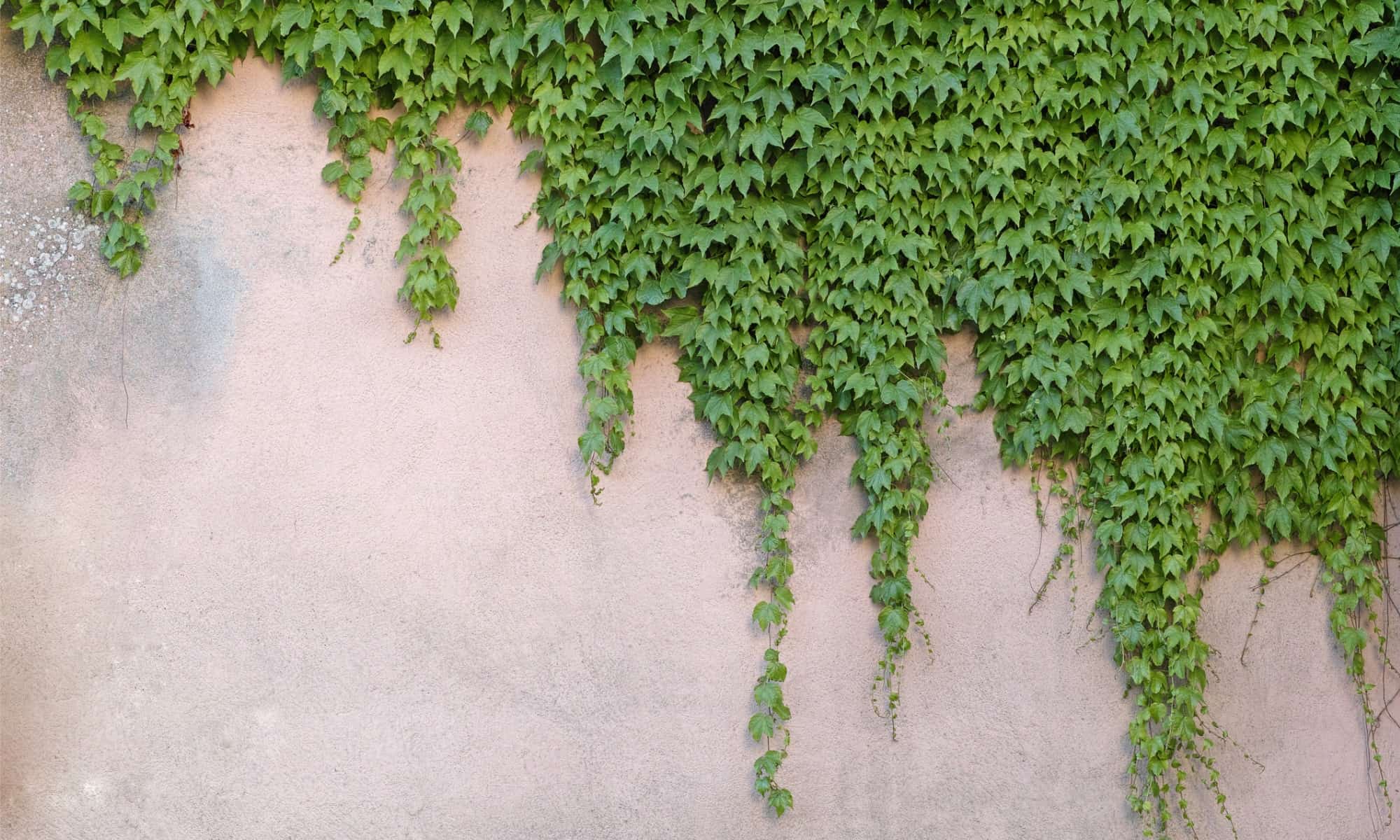
Boston ivy grows remarkably fast, often adding 6 to 10 feet of new growth each year in its early stages and reaching 30 to 50 feet or more at maturity. In my garden, I planted Boston ivy along a plain fence, and within just a couple of seasons it turned the entire structure into a lush, living wall that provided shade and beauty. This vigorous climbing vine is one of the quickest ways to cover walls, fences, arbors, and trellises, but its speed means you need to give it the right conditions and regular care so it grows strong without getting out of hand.
I’ve watched Boston ivy vines climb and spread with impressive speed when given good soil, plenty of sun, and proper support. The plant produces beautiful glossy green leaves all summer before putting on a spectacular show of red and orange in fall. Whether you want quick privacy, shade for a hot wall, or simply to dress up a bare structure, understanding how fast Boston ivy grows helps you plan and enjoy it fully. Let me share what I’ve learned from growing this plant and how you can get the same great results.
Growth Rate of Boston Ivy
Boston ivy also known as Japanese ivy is renowned for its incredibly fast growth rate. Here’s a guide to what you can expect
- Year 1: Boston ivy grows the fastest during its first year in the ground. Expect new vines to stretch 3-5 feet in the first season.
- Years 2-4 Growth accelerates during years 2-4 Expect your Boston ivy to add 6-10 feet of new growth per year
- Year 5 Boston ivy will reach maturity around year 5 Mature vines grow 30-50 feet long
- After Maturity: Growth rate slows after maturity. Expect 2-5 feet of new growth per year on established vines.
As you can see, Boston ivy’s growth rate is astonishing when it’s young. With ideal growing conditions, it can cover huge areas faster than most other vines.
Why Boston Ivy’s Fast Growth Is Such a Big Advantage
Boston ivy earns its reputation as a fast grower because it quickly transforms ordinary spaces into green, vibrant areas. In ideal conditions, young vines can extend several feet in a single season, making it perfect for anyone who wants fast coverage without waiting years. I’ve used it to hide chain-link fences and to soften the side of a garage, and the change happens surprisingly quickly once the roots take hold.
The vine uses small tendrils with suction-cup-like discs to grip surfaces, so it climbs without much extra help after the first year. This self-clinging habit lets it scale brick, stone, wood, and metal with ease. At the same time, its dense growth creates a living screen that offers shade and reduces wind. Many gardeners, including myself, love how Boston ivy turns plain structures into beautiful green features in just a few seasons.
Because it grows so vigorously, Boston ivy works well both as a vertical climber and as a ground cover. When allowed to spread across the soil, it forms a thick mat that suppresses weeds and helps prevent erosion on slopes. I’ve planted it under trees where grass won’t grow, and it quickly fills the space with attractive foliage while the roots stay cool and protected.
Detailed Growth Rate of Boston Ivy Year by Year
Boston ivy doesn’t grow at the same pace every year. Its growth is fastest when the plant is young and building its root system and vines. Here’s what you can expect under good conditions:
- First year: Boston ivy typically grows 3 to 5 feet. The plant focuses on developing strong roots, so above-ground growth is steady but not explosive yet.
- Years two through four: This is when Boston ivy really accelerates, adding 6 to 10 feet of new growth each year. The vines lengthen quickly and start to branch out, covering more area.
- By year five: A well-cared-for Boston ivy vine can reach 30 to 50 feet in length. It has filled in densely and is now considered mature.
- After maturity: Growth slows to a more manageable 2 to 5 feet per year as the plant maintains its size and continues to thicken.
These rates assume the vine receives at least 4 to 6 hours of direct sun, well-drained loamy soil, and consistent moisture while establishing. In shadier spots or poor soil, growth slows noticeably. I always give new Boston ivy plants extra attention the first couple of years because that’s when they build the foundation for future rapid growth. Once established, the vine becomes quite drought-tolerant and needs less frequent watering.
Ideal Conditions That Help Boston Ivy Grow Its Fastest
To encourage the quickest possible growth from Boston ivy, I focus on sunlight, soil, water, and support. Getting these right makes a huge difference in how quickly the vine covers the space you want.
Sunlight Boston ivy grows best with full sun to partial shade. I plant mine where they receive at least 4 to 6 hours of direct sunlight daily. More sun encourages stronger growth and more vibrant fall color. In very hot climates, a bit of afternoon shade prevents leaf scorch while still allowing good speed.
Soil Well-drained, loamy soil suits Boston ivy perfectly. I amend heavy clay soils with compost to improve drainage and add nutrients. The vine tolerates a range of soil types but performs best when the ground isn’t constantly soggy. Good drainage prevents root problems that can slow growth and shorten the plant’s life.
Water New Boston ivy vines need regular watering to establish strong roots. I water deeply once a week during the first growing season, especially in dry weather. Once established, the plant becomes quite drought-tolerant and needs less frequent watering. I still check the soil during hot spells and give it a deep drink when the top few inches feel dry. Consistent moisture in the early years helps the vine put on that impressive early growth.
Support Because Boston ivy climbs using tendrils, it needs something to grab onto from the start. I provide trellises, arbors, fences, or walls right from planting. For the fastest coverage, I train young vines along the support and tie them loosely until the tendrils take hold. Without proper support, the vine may sprawl on the ground instead of climbing upward.
How I Plant Boston Ivy for the Best and Fastest Results
When I plant Boston ivy, I choose a location with plenty of room for its vigorous growth. I dig a hole twice as wide as the root ball and amend the soil with compost. I set the plant at the same depth it was growing in the nursery pot, then water thoroughly to settle the roots.
I space Boston ivy plants generously—usually 8 to 10 feet apart—because they spread quickly once they take off. For covering a wall or fence, I plant closer to the structure so the vines can reach it easily. I always plant at least 15 feet away from buildings I want to protect, since the tendrils can grip and potentially damage wood or mortar over many years if left unchecked.
After planting, I mulch around the base to retain moisture and suppress weeds while the young vine gets established. I also provide a temporary stake or tie to guide the vine toward its support. With this start, my Boston ivy vines usually begin their rapid upward climb within the first season.
Caring for Boston Ivy Throughout the Seasons
Boston ivy is relatively low-maintenance once established, but a few seasonal tasks keep it looking its best and control its fast growth.
Spring I prune Boston ivy in late winter or early spring before new growth begins. I cut back any dead or damaged wood and trim vines that have grown too long or strayed from their support. This encourages bushier growth and keeps the plant from becoming unruly. I also check the soil and add a light layer of compost if needed.
Summer During hot, dry periods I water established Boston ivy deeply once a week or as needed. The vine grows rapidly during this time, so I train new shoots onto supports as they appear. I watch for any signs of stress and adjust watering accordingly. The dense foliage provides nice shade for the wall or fence underneath.
Fall The foliage turns brilliant red and orange, creating a stunning display against whatever structure it’s climbing. After the leaves drop, I do a light cleanup of fallen debris. This is also a good time to assess the vine’s overall shape and plan any major pruning for late winter.
Winter Boston ivy is hardy and needs little winter care in most climates. In very cold areas, I mulch young plants to protect the roots. The bare vines still provide interesting texture against walls and fences during the dormant season. I avoid heavy pruning in winter and wait until late winter or early spring.
Using Boston Ivy as a Climber and Ground Cover
One reason I love Boston ivy is its versatility. As a climber, it quickly covers walls, fences, arbors, pergolas, and trellises. I’ve used it to hide unattractive utility areas and to create privacy screens. The self-clinging tendrils make installation easy—no extra ties needed once the vine gets going.
As a ground cover, Boston ivy spreads horizontally and forms a dense carpet. I’ve planted it on slopes where mowing is difficult and on areas under trees where grass won’t grow. It suppresses weeds effectively and adds a lush, woodland feel while its roots help hold the soil.
For container growing, I use large pots with good drainage and place them at the base of a wall or trellis. One Boston ivy plant per large container works well, and I prune regularly to keep it manageable. This is a great option if you want to enjoy the fast growth without letting it take over a large area.
Managing Boston Ivy’s Vigorous Growth
Because Boston ivy grows so fast, it can become overwhelming if left unchecked. I prune annually to keep vines from overtaking structures or spreading into areas where I don’t want them. I remove any growth that climbs onto wood siding or roofs, since the tendrils can cause damage over time.
I also train vines early so they grow where I want them. Using removable supports like trellises instead of letting the vine attach directly to masonry makes future removal easier if needed. In small gardens, I choose slower-growing alternatives or keep Boston ivy in containers to limit its spread.
Boston Ivy Compared to English Ivy
Many people ask about Boston ivy versus English ivy because both are popular climbing vines. Boston ivy is deciduous with three-lobed leaves that turn brilliant scarlet to deep red in fall before dropping. It grows faster initially (3 to 10 feet in the first year once established) and uses suction-cup-like tendrils that grip surfaces without penetrating deeply, making it less damaging to walls. It’s hardy in zones 4 to 8, prefers full sun to partial shade for best color, and becomes drought-tolerant once established. It also produces small berries that birds enjoy.
English ivy is evergreen with shallowly lobed, fan-shaped leaves that stay dark green year-round. It grows more slowly (1 to 3 feet per year) and uses rootlets that can work into mortar and cracks, potentially damaging masonry over time. It’s more shade-tolerant and hardy in zones 4 to 9, but it’s considered invasive in many areas and requires more frequent pruning to control its spread.
I prefer Boston ivy for sunny spots where I want dramatic fall color and faster coverage with less risk of damage to structures. English ivy works better in deep shade or as a year-round ground cover, but I always monitor it closely because of its invasive tendencies. Both need regular pruning, but Boston ivy’s seasonal color change makes it more dynamic in my garden.
Common Mistakes When Growing Boston Ivy and How to Avoid Them
I’ve made a few mistakes over the years that taught me valuable lessons. One was planting Boston ivy too close to a wooden fence without planning for its rapid spread. The vine grew beautifully but required constant pruning to prevent it from covering the entire fence and beyond.
Another mistake was neglecting pruning. Without regular trimming, Boston ivy can become a tangled mess that’s hard to control. Now I prune every late winter, and the plant stays neat and manageable while still growing at its impressive speed.
Finally, I once planted Boston ivy in heavy clay soil without amending it. Growth was slower than expected until I improved the drainage and added compost. Now I always prepare the soil well before planting so the vine can reach its full potential quickly.
Tips for Success with Boston Ivy in Any Garden
- Choose a planting site with room for the vine to reach its mature size of 30 to 50 feet.
- Provide sturdy support from the beginning—trellises, arbors, or fences work well.
- Water new plants regularly until they establish, then reduce frequency as they become drought-tolerant.
- Prune annually in late winter to control size and shape.
- Mulch around the base to retain moisture and suppress weeds during establishment.
- Monitor growth and redirect vines as needed so they cover the desired area.
- Enjoy the seasonal changes—lush green in summer and fiery colors in fall.
Boston Ivy is One of the BEST Climbers
FAQ
Does Boston ivy need a trellis?
How long does it take for Boston ivy to cover a fence?
Which is the fastest growing ivy?
- Sunlight – Boston Ivy can take a wide range of sun exposure, from full sun to partial sun, but it does best in full sun.
- Watering – These plants should be well-watered when first planted in order to get established. …
- Mulching – Use mulch to help conserve moisture for the plants.
Does Boston ivy need a trellis?
Grow Boston ivy in moist but well-drained soil in full sun to shade. Provide support, such as a small trellis, for the first couple of years, until it starts self-clinging to the wall or fence you’re growing it up. Throughout summer you may want to tie in or remove wayward shoots, along with dead or damaged leaves
Do coffee grounds help ivy plants?
Coffee grounds can help ivy plants grown outdoors by providing essential nitrogen for leafy growth. However, they should be used with caution. Potted indoor ivy can suffer from mold and poor drainage when grounds are added directly

- How Fast Does Boston Ivy Grow? A Complete Growth Guide - June 9, 2026
- Gravel for Garden Beds: A Functional and Beautiful Option - June 9, 2026
- The Best Mulch for Raised Garden Beds – Pros, Cons, and Tips - June 9, 2026