
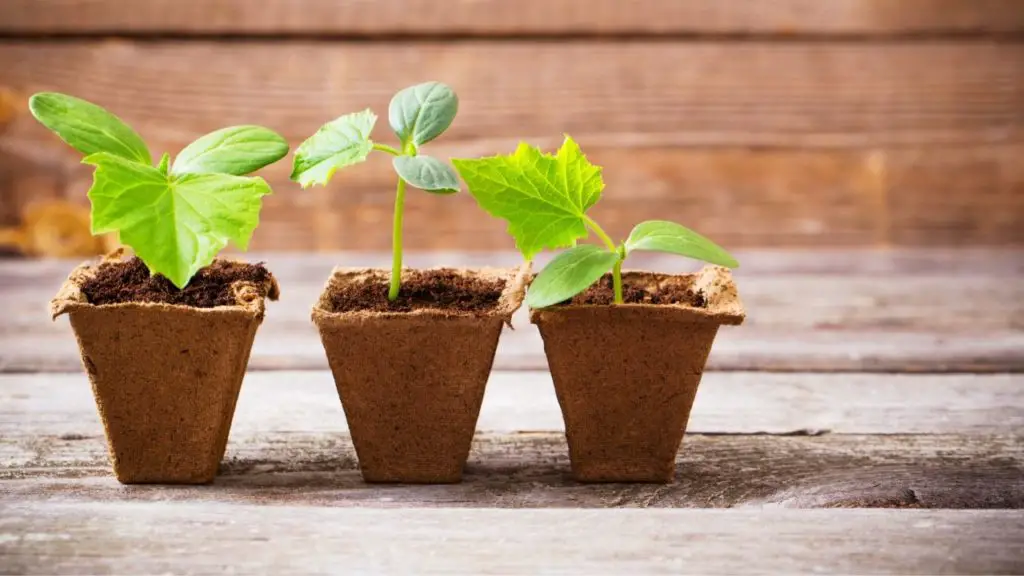
Watching flowers grow is an amazing science lesson for kids of all ages. Kids can plant and care for their own flowers in our hands-on growing flowers activity! Our awesome seed growing activity turned out so well, and we loved seeing how things were going every day. Simple science activities are great for young learners!.
Starting a mini garden by growing flowers in cups is a fun, creative way to add a pop of color and life to any space. With just a few basic supplies, seeds, and a sunny spot, even beginners can cultivate a cupful of gorgeous blooms This simple, small-scale gardening project is ideal for kids, apartment dwellers, and anyone who wants to try their hand at plant parenting
Read on to discover some of the easiest flower varieties to grow successfully in cups, along with tips to help your mini blooms thrive indoors or out.
Why Grow Flowers in Cups?
Cultivating a mini flower garden in cups offers many advantages
- Cups take up little space, making them perfect for windowsills, countertops, desks and other small areas.
- It’s easy to control moisture and drainage in a cup’s confined space. Overwatering is harder to do.
- Cups allow close observation of the flowering process and plant growth.
- Mini gardens are fun, inexpensive projects for children to learn about botany.
- When finished blooming, cup gardens can be composted or planted into the ground.
Top Easy Flowers I Grow in Cups (And Why They Rock)
I always start with the ones that show up reliably and look great small. Here’s my personal ranking based on what I’ve grown over and over:
- Sunflowers: My absolute favorite—dwarf and mini varieties steal the show. They sprout quickly, grow tall enough to feel impressive yet stay manageable in a cup, and those big cheerful faces lift my mood every morning. I plant them more than any other because they’re foolproof for beginners and kids.
- Marigolds: Compact types deliver nonstop color in sunny yellows, oranges, and reds. They repel pests naturally, bloom all season, and forgive if I forget a watering now and then. I reach for marigolds almost as often as sunflowers.
- Zinnias: Vibrant dahlia-style blooms in every color except blue. The shorter Profusion series stays under a foot and packs a punch. I grow zinnias whenever I want a cut-flower look in miniature.
- Petunias: Multiflora types cascade beautifully and flower like crazy all summer. I use them when I need something that spills over the cup edge for extra charm.
- Cosmos: Airy daisy-like flowers on delicate stems. Short varieties under two feet work perfectly and keep producing if I deadhead them.
- Nasturtiums: Edible flowers with a spicy kick and tropical vibes in red, orange, and yellow. Their round leaves look fun trailing out.
- Calendula: Two-tone petals that glow from yellow tips to deep orange centers. Great for herbal teas or just pretty color.
- Strawflowers: Papery blooms that last forever, even dried. I grow them when I want flowers I can save and display year-round.
- Daisies, cornflowers, and pansies: Classic and cheerful options that add variety to mixed cups.
- Poppies: Bright pops of color that reward patience with stunning blooms.
I mention sunflowers and marigolds the most because they deliver the biggest payoff in the smallest space. Mix and match for a rainbow effect—sunflowers in the center, marigolds around the edges, a few zinnias for height.
Everything You Need to Get Started (Super Simple List)
I keep my supplies basic so anyone can copy me:
- Clean cups (plastic yogurt cups, paper coffee cups, or small seedling pots—anything 3–4 inches tall works)
- Sharp scissors or a nail to poke drainage holes
- Seed-starting mix (light, fast-draining, and sterile)
- Flower seeds (sunflower, marigold, zinnia, etc.—buy packets labeled for containers)
- Spray bottle or small watering can
- Shallow tray for bottom watering
- Sunny windowsill or grow light
- Liquid fertilizer (balanced, diluted)
- Popsicle sticks and marker for labels
- Clear plastic wrap or dome for humidity at the start
That’s it. Total cost under five bucks if you reuse cups from your recycling bin.
Step-by-Step: How I Plant and Grow Flowers in Cups
Here’s exactly what I do every time—takes ten minutes per batch:
- Prep the cups: Poke 3–4 drainage holes in the bottom with a nail or scissors. I do this over the sink to catch plastic bits.
- Fill with soil: Add moistened seed-starting mix, leaving half an inch at the top. Gently press it down so it’s firm but not packed.
- Plant the seeds: For sunflowers, drop 1–2 big seeds per cup about half an inch deep. Marigolds and zinnias get 2–3 tiny seeds sprinkled on top and lightly covered. I label each cup right away.
- Water gently: Mist the surface or set cups in a tray of water so moisture wicks up from below. This keeps delicate seeds from washing away.
- Cover for germination: Loosely drape clear plastic over the cups to trap humidity and warmth. Place in a bright spot (not direct scorching sun yet).
- Watch and thin: Seeds pop up in 3–10 days depending on the flower. Sunflowers usually lead the pack. Once true leaves appear, snip the weakest seedlings so only the strongest stay.
- Move to light: Remove the plastic once sprouts show. Give at least 6 hours of direct sun or bright grow lights daily.
- Water and feed: Let the top of the soil dry slightly between waterings—bottom watering prevents fungus. After a couple weeks, I add diluted liquid fertilizer every 2–3 weeks.
- Support if needed: Tall sunflowers sometimes get a toothpick stake. Marigolds and petunias usually stand on their own.
- Transplant or enjoy: When roots fill the cup or plants outgrow it, move sunflowers and zinnias to bigger pots or the garden. Smaller marigolds and pansies can bloom their whole life in the cup.
I follow these steps religiously and rarely lose a plant. Last month I started a batch of marigolds and sunflowers with my niece—she was hooked after day three when the first green shoots appeared.
Detailed Care Tips for Each Favorite Flower
Sunflowers in cups I plant dwarf sunflowers most often because they stay compact yet grow 12–24 inches tall. Big seeds make them kid-friendly. Keep soil moist until they sprout, then water when the top inch feels dry. They love full sun and a little fertilizer boost once they have four leaves. Rotate the cups daily so stems grow straight. I’ve harvested tiny edible seeds from mine at the end of the season—fun bonus!
Marigolds in cups Compact marigolds bloom nonstop for months. I sow them thick and thin to one strong plant per cup. They handle heat and a bit of dryness better than most. Pinch off spent blooms to keep new ones coming. Their scent keeps mosquitoes away, so I place cups near doorways. Marigolds have become my reliable go-to when I want low-maintenance color.
Zinnias in cups Choose the short Profusion series for best results. They produce full, colorful blooms that look like mini dahlias. I space seeds well and give strong light so stems stay sturdy. Deadhead regularly and they’ll keep flowering until frost. Zinnias add that wow factor when I cluster several cups together.
Petunias, cosmos, and nasturtiums Multiflora petunias cascade nicely over cup rims. Cosmos stay airy and delicate—perfect for a soft look. Nasturtiums trail and provide edible flowers for salads. All three like consistent moisture but hate soggy feet, so drainage holes are non-negotiable. I fertilize lightly to avoid leafy growth at the expense of blooms.
Calendula, strawflowers, daisies, cornflowers, pansies, and poppies These fill out my variety cups. Calendula petals brighten teas. Strawflowers dry beautifully for crafts. Pansies and daisies handle cooler spots. Poppies surprise with vibrant petals. I treat them all to the same basic care but watch watering—most prefer soil that dries slightly between drinks.
Quick-Reference Table for Flower Success
| Flower | Days to Sprout | Ideal Cup Size | Sun Needed | Watering Style | Bloom Time | Best For |
|---|---|---|---|---|---|---|
| Sunflowers | 5–10 | 4-inch | Full sun | Let top dry slightly | 6–8 weeks | Kids, drama |
| Marigolds | 5–7 | 3–4 inch | Full sun | Moderate | 4–6 weeks | Pest control |
| Zinnias | 7–10 | 4-inch | Full sun | Consistent | 5–7 weeks | Cut flowers |
| Petunias | 7–14 | 4-inch | Full sun | Even moisture | 4–6 weeks | Trailing look |
| Cosmos | 7–10 | 4-inch | Full sun | Moderate | 6–8 weeks | Airy filler |
| Nasturtiums | 7–12 | 4-inch | Full sun | Moderate | 5–7 weeks | Edible |
I print this table and tape it near my growing station. It keeps me on track.
Common Mistakes I Used to Make (And How to Avoid Them)
Overwatering tops the list. I once drowned a batch of marigolds by keeping soil constantly wet—now I always check with my finger first. Choosing tall varieties instead of dwarf sunflowers or compact marigolds leads to floppy plants. Skipping drainage holes causes root rot fast. Not thinning seedlings creates crowded, weak growth. I fixed all these by slowing down and observing daily. Now my success rate stays high.
Fun Ways to Use Your Cup Flower Gardens
Line a windowsill with mixed sunflower and zinnia cups for instant cheer. Cluster marigold cups as table centerpieces for parties. Give personalized cups with pansies or calendula as teacher gifts or birthday favors. I even take mine outside on balconies or along garden paths for temporary color. When the season ends, compost the soil and reuse the cups—zero waste.
Seasonal Tips and Troubleshooting
Spring and summer are prime, but I start indoors in late winter for an early jump. In cooler months, a south-facing window works wonders for sunflowers and marigolds. If leaves yellow, I check for overwatering or nutrient lack and add fertilizer. Leggy stems mean more light needed—move closer to the window or add a grow light. Pests rarely show up in cups, but if aphids appear I rinse with soapy water.
For longer blooms, I succession-sow every two weeks. One cup of sunflowers finishes, another starts. This keeps color going all season.
Expanding Your Cup Garden Year After Year
After my first successful batch of marigolds and sunflowers, I got hooked. Now I experiment with color combinations—orange marigolds with purple petunias, yellow sunflowers beside white daisies. I track what works in my notebook: which cups drained best, which flowers lasted longest. Sharing photos with friends inspires them to try too. We swap seeds and stories, turning a simple hobby into community fun.
Kids especially love it. The big sunflower seeds are easy for little fingers. Watching marigolds open feels like magic. I add popsicle-stick labels with drawings so they remember each flower’s name.
More Advanced Tricks I’ve Learned
Bottom watering remains my secret weapon—it keeps foliage dry and prevents disease. I sometimes add a thin layer of perlite on top for extra drainage. For taller sunflowers, I gently brush the stems daily to strengthen them like wind would outdoors. When transplanting, I keep the root ball intact so shock stays minimal. These small tweaks make a huge difference in how long my cup flowers thrive.
Benefits Beyond the Blooms
Growing easy flowers in a cup improves my mood and teaches resilience. Sunflowers remind me to reach for the sun. Marigolds show that toughness and beauty go together. The whole process slows me down in a good way—I check cups each morning like greeting old friends. It’s also eco-friendly: reusing cups cuts plastic waste, and the flowers support pollinators when I eventually move them outside.
I’ve turned cup gardening into a year-round ritual. Winter pansies on the kitchen table. Spring poppies and cosmos on the desk. Summer marigolds and zinnias everywhere. Each season brings fresh color and new lessons.
10 of the Easiest Annual Flowers to Start From Seed! // Garden Answer
FAQ
What is the easiest flower to grow in a cup?
What is the easiest flower to grow in a classroom?
What are the best easy flower seeds to grow in a cup?
Here are some of the best easy flower seeds to grow in a cup: Marigolds are very easy to grow and come in a variety of bright colors. They can tolerate hot and dry conditions, making them a great option for beginners. Zinnias are also easy to grow and come in a wide range of colors, from pastels to bright hues.
What flowers grow in cups?
Sunflowers are a popular choice for growing in cups as they are easy to grow and add a cheerful touch to any space. They can grow up to six feet tall, but smaller varieties are also available. Pansies are a great choice for cooler climates as they can tolerate frost. They come in a range of colors and can bloom throughout the year.
What plants can be grown from seed in a cup?
Tomatoes are another plant that can easily be started from seed in a cup. The best variety to grow is smaller varieties such as Early Girl or Patio varieties that can be grown in a limited amount of space. If you have a large cup, you can try your hand at growing pumpkins.
Is a cup plant a good plant?
If you have a taste for whole-grain that starts its life in a cup, this is the plant for you. To make things easier, it’s also not picky about where it grows, so it’s a bit like lettuce which can grow both outdoors or indoors. They are not demanding and easy to manage inside their cup planter environment.
Which seed will grow in 3 days?
Radishes may not be one of the most requested foods by children, but we think they’re worth a try and here’s why: Radishes are probably the fastest germinating seed that you can grow.

- How Fast Does Boston Ivy Grow? A Complete Growth Guide - June 9, 2026
- Gravel for Garden Beds: A Functional and Beautiful Option - June 9, 2026
- The Best Mulch for Raised Garden Beds – Pros, Cons, and Tips - June 9, 2026