
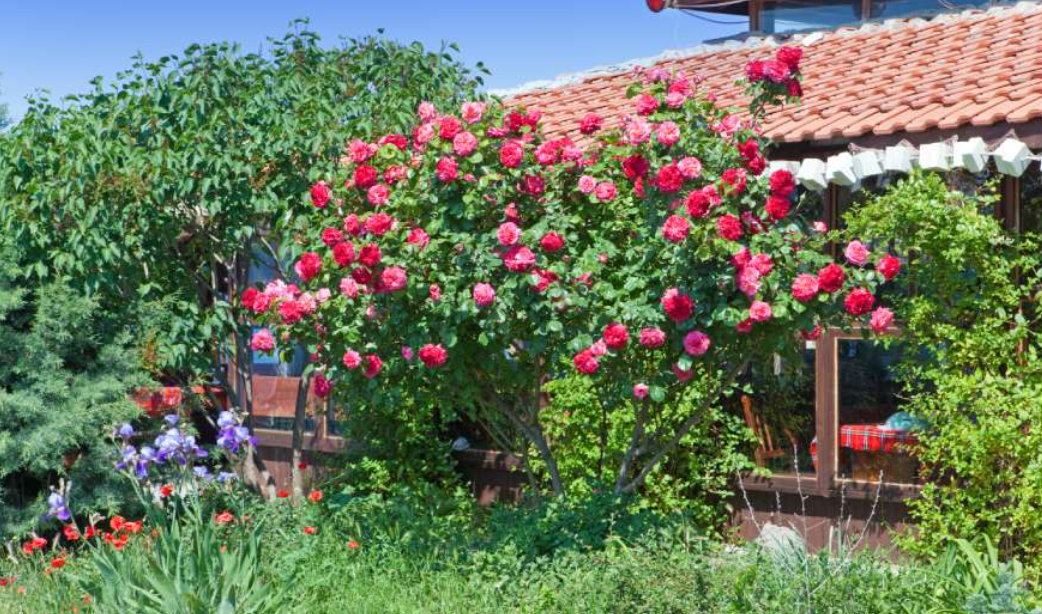
if you ever wondered how long does a rose bush live, I got the straight-up answer right here from years of digging in the dirt myself. Most modern rose bushes stick around for about 6 to 10 years, but lemme tell ya, with decent care and the right setup, plenty of them rose bushes keep blooming strong way past that – think 20, 30, even 50 years or more. I done seen old garden roses and hardy shrub roses hit the big numbers, and one famous ancient rose bush I read about has been going strong for over a thousand years. Ain’t that wild? In this post, I break it all down simple, with my own stories thrown in, so you know exactly what to do to make your rose bush live long and bloom like crazy. We start with the most important bits first, no fluff.
Right off the bat, the lifespan of a rose bush depends heavy on the type you got and how much love you give it. I planted my first hybrid tea rose bush back when I was just starting out gardening, and it only made it to year 8 before it started looking tired. But after I switched to better habits, my newer shrub roses are still kicking at year 12 and showing no signs of quitting. The key? Understanding what makes a rose bush thrive instead of just survive. Let’s dive into the details I wish I knew sooner.
Rose Bush Life Expectancy
In general, most modern rose varieties will live between 6-10 years. However, with good care and proper growing conditions they can certainly exceed that lifespan.
- Modern hybrid teas, floribundas, and shrub roses typically live 6-10 years.
- Old garden roses and antique varieties often live over 20 years.
- Hardy shrub roses and landscape roses tend to be the longest lived, some reaching 50+ years.
- Climbing roses and ramblers can also have very long life spans of 30-50+ years.
So while the average modern rose bush may only live around a decade, many roses will outlive that range with proper care and maintenance. The oldest rose bushes on record have attained ages of 100 years or more!
What Affects How Long Your Rose Bush Lives – The Big Factors I Always Check
I gotta be honest, weather and TLC make all the difference for a rose bush. Hot humid spots can shorten life quick, while good air flow and full sun keep them happy. In my experience, poor soil or too much shade cuts years off fast. Here’s what I watch for every time:
- Rose variety matters most – Like I said, old garden roses and hardy shrub roses outlive modern hybrids by miles. I swapped one hybrid tea for a shrub rose last year, and boom, instant longevity boost.
- Growing conditions – Zones 5-9 are sweet spots for most rose bushes. I make sure mine get at least 6 hours of sun, well-draining soil that’s nutrient-rich, and plenty of space so air circulates good.
- Pruning habits – This is huge. I prune my rose bushes every spring, and it keeps them vigorous instead of woody and weak.
- Water and food – At least 1-2 inches of water weekly, more in dry spells. I use balanced rose fertilizer regular, plus compost or manure to keep the soil happy.
- Pests and diseases – Stuff like Japanese beetles, aphids, and spider mites love attacking tired rose bushes. Black spot, powdery mildew, and rust show up if air flow is bad. I catch ’em early now.
- Winter protection – In colder areas, I mound soil or wrap the graft union and canes so the rose bush survives the freeze.
Neglect any of these and your rose bush might only hit 6-10 years. But stack ’em right and we’re talking 35 to 50 years easy, like some of the tough ones I got now.
My Personal Story With a Rose Bush That Refused to Quit
Back in 2015 I inherited an old neglected rose bush when we moved houses. It was a mess – leggy branches, yellow leaves, hardly any flowers. I thought “this rose bush is done,” but I decided to try rejuvenating it instead of ripping it out. Fast forward 9 years later and that same rose bush is still pumping out blooms every summer. I credit the 3 key steps I followed (more on those soon). It taught me that even older rose bushes can get a second wind if you put in the work. Now my whole backyard has rose bushes of all ages, and I love watching the hardy shrub roses outlast everything else.
Step-by-Step Care to Make Your Rose Bush Live Longer Than Expected
If you want your rose bush to hit those 20-50 year marks, you gotta treat it right from day one. I do these things religiously and it pays off big time.
First, pick a sunny spot with good drainage. I test my soil pH every couple years – aim for 6 to 7. Too acidic? Sprinkle some lime and rake it in gentle. Too alkaline? Hit it with elemental sulphur. Then I mix in 10-10-10 fertilizer for a quick boost.
Water deep but not too often. I give my rose bushes a good soak at the base, avoiding the leaves to stop diseases like black spot. Mulch around them with compost or bark to hold moisture and keep weeds down.
Fertilize regular during growing season. I use balanced rose fertilizer in spring, then again mid-summer. Compost and manure are my secret weapons too – they feed the soil slow and steady so the rose bush stays strong year after year.
Pruning is non-negotiable. Every late winter or early spring I grab my shears and get to work. Remove dead or damaged canes, thin out crowded branches so air flows, and cut back about one-third to shape it up. For older rose bushes I get more aggressive – up to half the canes sometimes. It looks scary but new growth comes back thicker and bloomier.
Watch for pests daily during summer. Japanese beetles can wreck a rose bush fast, so I hand-pick ’em or use traps. Aphids and spider mites get sprayed with soapy water if they show up. Diseases like powdery mildew or rust? I prune affected parts right away and improve airflow.
Winter prep keeps my rose bushes alive through the cold. I mound soil or leaves around the base, especially over the graft union, and sometimes wrap the canes with burlap. Come spring, they wake up ready to go.
How to Rejuvenate an Older Rose Bush – My 3 Key Steps That Actually Work
Got an older rose bush that’s underperforming? Don’t toss it! I rejuvenated several and they bounced back beautiful. Follow these 3 steps I swear by:
- Look up and look around – Check the environment first. Are mature trees shading your rose bush too much? Trim branches or thin nearby plants so it gets full sun and better air circulation. Competition from tree roots steals water and nutrients, so I sometimes move the whole rose bush if needed. This step alone revived one of my rose bushes that wasn’t blooming.
- Assess the rose bush itself – Look close at the shrub. Losing leaves? Discolored foliage? Damaged bark? That’s disease or insect infestation talking. Branches rubbing or too many tangled small ones? Time for big pruning. I remove up to half the canes on old rose bushes, plus any weak or diseased ones. Don’t be scared – it forces fresh strong growth.
- Fix the soil conditions – Grab a pH test kit and check it. Between 6 and 7 is perfect for rose bushes. Acidic soil? Add lime. Alkaline? Use elemental sulphur. Then I work in 10-10-10 fertilizer. After that, aerate the soil with a pitchfork – poke it in about a foot away from the base of the rose and wiggle back and forth. Go in a circle out to 3 feet. Roses got shallow roots, so stay back from the rose stem to avoid damage. This loosens compacted dirt so water and food reach the roots better.
I do all three steps in one weekend project and my older rose bushes look brand new by midsummer. Try it on yours – you won’t believe the difference.
Signs Your Rose Bush Is Getting Older (And What to Do)
As rose bushes age, they show it. I notice these signs in my longer-lived ones:
- Smaller leaves and less vigorous growth
- Thicker, woodier stems
- Dieback on branches
- Fewer or smaller blooms
- More prone to pests and diseases like black spot or aphids
When I spot this in my shrub roses or old garden roses, I jump into rejuvenation mode right away. Aggressive pruning, extra fertilizer, and soil improvements keep them going for many more years.
Common Mistakes I Made With Rose Bushes (So You Don’t Repeat Them)
I messed up plenty early on. Overwatering caused root rot on one rose bush. Planting in too much shade shortened another by years. Skipping winter protection killed canes on my climbing roses. Forgetting to prune led to tangled messes full of black spot. Now I avoid walking on wet soil around the base of the rose so roots don’t compact. And I never ignore pests – Japanese beetles and spider mites multiply fast if left alone.
Here’s a handy table of mistakes and fixes:
| Mistake I Made | Why It Shortens Life | My Fix Now |
|---|---|---|
| Poor pruning | Crowded branches, disease | Annual heavy prune |
| Wrong soil pH | Weak roots and blooms | Test and amend yearly |
| No mulch or compost | Dry soil, nutrient loss | Always top-dress |
| Ignoring shade/trees | Less flowers, more disease | Trim competitors |
| Skipping pest checks | Japanese beetles destroy | Daily walks and treatments |
Extra Tips to Push Your Rose Bush Past 20 or Even 50 Years
I got a bunch more ideas that help my rose bushes live longer. Choose hardy shrub roses or landscape roses for new plantings – they are built to last. Improve air circulation by spacing plants right. Water at the base in the morning so leaves dry quick. Feed with rose fertilizer every 4-6 weeks in season. Add organic matter like compost or manure every spring. Mulch thick to keep roots cool and moist. Rotate locations if one spot gets disease-heavy. And talk to other gardeners – we swap stories about our long-lived rose bushes all the time.
For climbing roses and ramblers, train them on strong supports and prune after blooming to encourage new canes. Old garden roses need less fuss but still love the same soil care. I even companion plant with garlic or marigolds to keep pests away naturally.
Seasonal Care Calendar for Long-Lived Rose Bushes
Spring: Prune hard, fertilize, aerate soil around the rose bush.
Summer: Water deep, watch for aphids and black spot, deadhead flowers.
Fall: Light prune, add compost, start winter prep.
Winter: Protect graft union and canes from cold snaps.
Doing this cycle year after year keeps my rose bushes in top shape and blooming like they are young forever.
Why Investing Time in Your Rose Bush Pays Off Big
A long-living rose bush gives you years of beauty, fragrance, and even cut flowers for the house. Mine attract bees and butterflies too, making the whole garden feel alive. The older they get, the more character they have – woody bases, massive blooms on established shrub roses. I wouldn’t trade my 20-year-old ones for anything.
How long should my ROSE live?
FAQ
How many years can a rose bush last?
What is the average lifespan of a rose?
What is the oldest living rose bush?
How long do roses last in a bouquet?
When arranged in a bouquet, roses typically last around 5 to 7 days. However, this can vary depending on the freshness of the roses and the care they receive.
Can I make roses last longer by adding aspirin or other substances to the water?
Adding aspirin or other substances to roses does not work to make them last longer, according to scientific evidence. Following proper care techniques, such as trimming the stems and changing the water regularly, is more beneficial.

Follow me on YouTube
- How to Take a Plant Leaf for Identification or Propagation - May 28, 2026
- When to Cut Back Cannas for Healthy Growth - May 26, 2026
- How Long Do Rose Bushes Live? A Guide to Rose Bush Longevity - April 14, 2026