
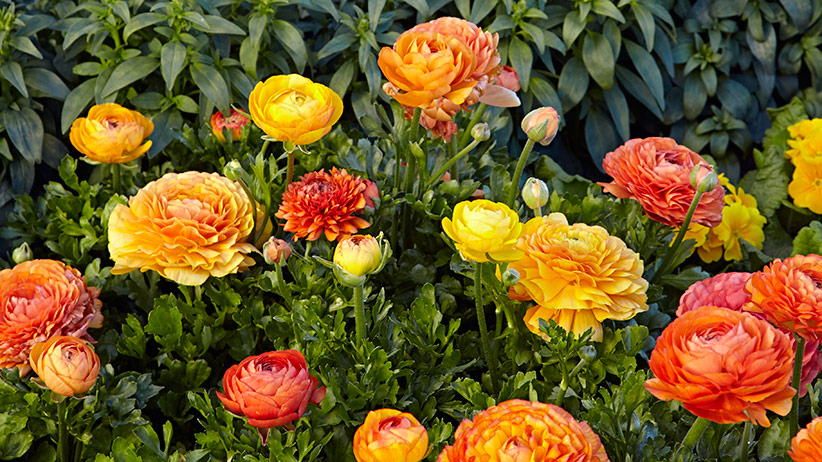
Ranunculus plants typically grow 12 to 24 inches tall, making them perfect for garden beds, borders, and containers where I want reliable mid-height color without overwhelming smaller plants. I’ve grown ranunculus for years in my backyard and greenhouse, and I can tell you from experience that most ranunculus asiaticus varieties reach that sweet 12-24 inch range when given full sun, rich well-draining soil, and consistent care. Some dwarf ranunculus stay compact at just 6 to 8 inches, ideal for edging or pots, while taller types push past 2 feet in optimal conditions. Tecolote ranunculus and Ranunculus Giant Mixture often hit 10 to 12 inches, giving me flexible options for layering in my flower beds.
I love how predictable yet adaptable ranunculus heights are. Whether I’m designing a cutting garden full of Persian buttercup ranunculus or tucking mini ranunculus along a path, knowing their mature size helps me plan spacing, support, and companions perfectly. In this guide I share everything I’ve learned about ranunculus plant heights, from the exact measurements I track each season to the tricks that help me achieve the tallest blooms or keep them nicely compact. We’ll cover varieties I grow most often, step-by-step planting for ideal height, care tips that influence growth, design ideas that use ranunculus height to create drama, and troubleshooting when my ranunculus stretch or stay short. By the end you’ll know exactly how tall your ranunculus plants will get and how to make them thrive.
Understanding Ranunculus Plant Heights in Simple Terms
Ranunculus plants are tuberous perennials that start small and bulk up fast once spring warmth kicks in. I always tell friends that ranunculus height depends mostly on genetics, but environment plays a huge role too. Standard Persian buttercup ranunculus, which is the most common type I plant, reaches 12 to 24 inches tall and spreads nicely to fill space without flopping if I space them right. The foliage mound itself usually tops out around 12 inches before the sturdy stems shoot up the flowers.
Dwarf ranunculus varieties stay shorter at 6 to 8 inches, perfect when I want low-maintenance edging that doesn’t block other plants. Tecolote ranunculus and the Ranunculus Giant Mixture I buy every spring measure 10 to 12 inches on average, striking a nice balance for containers and front borders. Some giant ranunculus types I’ve tried exceed 2 feet, especially when I select jumbo corms and give them extra room. Ranunculus asiaticus, the species behind most garden ranunculus, consistently delivers that 12-24 inch height range across many named types.
I measure my ranunculus plants weekly during peak growth because height tells me so much about their health. Short ranunculus often means poor soil or too much shade. Leggy ranunculus over 24 inches usually signals overcrowding or not enough light. Once you understand these patterns, growing ranunculus becomes second nature.
Ranunculus Varieties and Their Exact Height Ranges
I keep detailed notes on every ranunculus variety I grow, and here’s what I’ve observed season after season. I always check the package for the specific height listed, but these are the reliable averages I see in my garden:
- Standard Ranunculus asiaticus (Persian buttercup ranunculus): 12-24 inches tall. These are my workhorses for borders and cutting gardens. I plant them most often because they produce up to 35 flowers per plant on strong stems.
- Tecolote ranunculus series: 10-12 inches tall. I reach for Tecolote Orange, Tecolote White, Tecolote Purple, and other colors when I want tidy mid-height ranunculus that won’t overwhelm smaller companions.
- Ranunculus Giant Mixture: 10-12 inches tall. This mix gives me a rainbow of blooms at a manageable height that works beautifully in mixed pots.
- Dwarf ranunculus varieties: 6-8 inches tall. Perfect for containers, rock gardens, or the front of beds where I need low-growing ranunculus that stay put.
- Tall/giant ranunculus types: Over 24 inches (sometimes 2 feet plus). I use these as backdrops or focal points when I want dramatic height in ranunculus displays.
- Named varieties I grow regularly: Cloni Pon-Pon Hermione, Cloni Success Hanoi, Delano Yellow, Tomer Red, Elegance Orange, Tomer Picotee. All fit the 12-24 inch range but vary slightly based on corm size—jumbo corms produce taller, bushier ranunculus with more flowers.
I’ve found that larger corms (jumbo or number 1 size) almost always give me taller ranunculus plants with bigger blooms. Smaller corms result in shorter, more compact ranunculus, which is handy when space is tight.
Here’s a handy table I use when planning my ranunculus beds each spring:
| Variety/Type | Typical Height | Best Use in Garden | Flower Size | Number of Blooms per Plant |
|---|---|---|---|---|
| Standard Persian buttercup ranunculus | 12-24 inches | Borders, cutting gardens | 2-5 inches | Up to 35 |
| Tecolote ranunculus | 10-12 inches | Containers, front of beds | 2-4 inches | 15-25 |
| Ranunculus Giant Mixture | 10-12 inches | Mixed pots, small spaces | 2-4 inches | 12-20 |
| Dwarf ranunculus | 6-8 inches | Edging, rock gardens, pots | 1-3 inches | 8-15 |
| Tall/giant ranunculus | Over 24 inches | Backdrops, focal points | 3-5 inches | 20-35 |
I print this table and tape it to my seed-starting shelf so I never guess when spacing my ranunculus.
Factors That Influence How Tall My Ranunculus Plants Grow
I’ve learned that ranunculus height isn’t set in stone. Several things in my control make a big difference:
- Corm size: Jumbo corms give taller ranunculus with more flowers. I always pick the biggest, firmest corms I can find.
- Light: Full sun (6+ hours) keeps my ranunculus compact and strong. Too much shade makes them stretch and get leggy.
- Soil and nutrition: Rich, well-draining soil amended with compost pushes ranunculus to their full height potential. I fertilize bi-weekly once leaves appear.
- Spacing: 4-6 inches apart in beds or 6 inches in pots prevents overcrowding that causes tall, weak stems.
- Temperature: Cool springs (50-60°F) produce sturdy ranunculus of ideal height. Heat makes them bolt or shorten bloom time.
- Watering: Consistent moisture without sogginess supports steady growth. I water deeply but let the top inch dry between sessions.
- Pinching and support: I pinch leggy stems early to encourage bushier, shorter ranunculus. Tall varieties over 24 inches sometimes need light stakes.
By tweaking these, I can encourage dwarf ranunculus to stay low or push standard ranunculus toward the taller end of 12-24 inches.
Step-by-Step Planting Guide for Perfect Ranunculus Height
I plant ranunculus the same way every year because it works. Here’s exactly what I do:
- Choose and prepare corms: I soak ranunculus corms for 1-4 hours (never longer) before planting to wake them up.
- Timing: In zones 8-11 I plant in fall. In colder zones I start indoors 12 weeks before last frost or plant outdoors in early spring.
- Soil prep: I use rich, well-draining soil with plenty of compost. Raised beds or containers work great for controlling ranunculus height.
- Planting depth and spacing: 2 inches deep, claw side down, 4-6 inches apart in ground or 6 inches in pots. I space jumbo corms 8-12 inches for bigger ranunculus.
- After planting: I keep soil moist but not wet until sprouts appear in 15-20 days. Then I move to full sun.
- Indoor start: For earlier taller ranunculus I start in pots at 50-60°F.
Following these steps gives me healthy ranunculus that reach their expected 12-24 inch heights right on schedule.
Care Tips I Use to Control and Maximize Ranunculus Height
Once planted, ranunculus care is straightforward. I water when the top inch feels dry, fertilize every two weeks with balanced or bloom-boosting food, and mulch to keep roots cool. Deadheading spent ranunculus flowers encourages more blooms and keeps plants tidy. In hot weather I provide afternoon shade to prevent shorter bloom periods.
For taller ranunculus I choose jumbo corms and give extra space. For compact ranunculus I select dwarf varieties and pinch tips early. I dig and store corms in cold climates so I can replant the healthiest ones next year for even better height performance.
Garden Design Ideas Using Different Ranunculus Heights
I love layering ranunculus by height in my beds. Tall ranunculus over 24 inches go in the back as backdrops. Standard 12-24 inch Persian buttercup ranunculus fill the middle. Dwarf 6-8 inch ranunculus edge the front. I mix Tecolote ranunculus and Ranunculus Giant Mixture in containers for portable color at the perfect 10-12 inch height.
In cutting gardens I plant rows of taller ranunculus for long stems. In cottage gardens I intersperse them with tulips, iris, and alliums for natural height variation. Container groupings let me move shorter ranunculus to shade when needed.
Companion Plants That Highlight Ranunculus Heights
I pair my ranunculus with plants that contrast their height and texture. Low growers like sweet alyssum sit nicely in front of 12-24 inch ranunculus. Grasses and salvias add movement behind taller types. I avoid crowding so each ranunculus shows off its full mature height.
Seasonal Tips for Ranunculus Height Success
Spring is prime time—cool weather produces the sturdiest ranunculus of ideal height. Summer heat shortens the show, so I enjoy the 4-7 week bloom period and then dig corms. Fall planting in mild zones gives earlier, taller ranunculus the next spring. I store corms cool and dry over winter for strong returns.
Troubleshooting Common Height Issues with Ranunculus
Leggy ranunculus over 24 inches? More light and better spacing fixes it. Stunted short ranunculus? Check soil drainage and add fertilizer. Yellow leaves on short plants often mean overwatering. I monitor daily and adjust quickly so my ranunculus reach their full potential.
Benefits of Growing Ranunculus at the Right Height
When ranunculus hit 12-24 inches they make excellent cut flowers that last days in vases. Proper height keeps them from flopping in wind or rain. Compact varieties save space in small gardens. Knowing heights lets me create balanced designs that look professional.
Expanding Your Ranunculus Collection Year After Year
After my first successful crop of 12-24 inch ranunculus I started saving the biggest corms. Now I divide and replant every few years for even stronger, taller displays. I experiment with new varieties like Cloni Pon-Pon Hermione and Tomer Picotee to keep heights and colors fresh.
Personal Stories From My Ranunculus Garden
Last spring my Tecolote ranunculus hit exactly 11 inches and produced gorgeous orange blooms that lasted weeks. In a shadier spot some Persian buttercup ranunculus stretched to 26 inches, teaching me to move them sooner next time. I’ve used dwarf 7-inch ranunculus as living mulch under taller perennials with great success. These little lessons make growing ranunculus so rewarding.
More Advanced Tips for Ranunculus Height Mastery
I sometimes start ranunculus indoors for an earlier jump on the 12-24 inch height range. Bottom watering prevents rot and promotes even growth. Rotating pots keeps stems straight. These small habits add up to healthier, taller ranunculus every season.
Why I Keep Coming Back to Ranunculus Every Year
Ranunculus plants at their ideal heights bring so much joy to my garden. The lush foliage, huge rose-like flowers, and reliable 12-24 inch stature make them stars in every bed. Whether I grow dwarf types for pots, Tecolote ranunculus for borders, or full-size Persian buttercup ranunculus for cutting, they never disappoint. I encourage you to pick a few varieties based on the heights you need and watch them transform your space.
Your ranunculus will reward you with weeks of beauty once you understand how tall they grow and how to support that growth. Grab some corms this season, plant them right, and enjoy the process. I’m still amazed every time my ranunculus reach full height and burst into bloom. Happy gardening—may your ranunculus grow strong, tall where you want them, and fill your days with color!
I’ve shared every detail I know from growing dozens of ranunculus plants over the years. From the 6-8 inch dwarfs to the 24-inch-plus giants, each height has its perfect place. Experiment, take notes like I do, and you’ll soon have ranunculus that look like they belong in a magazine. Your garden will thank you with armloads of flowers and beautiful structure that lasts the whole cool season. Keep those ranunculus coming back stronger every year—we’re in this gardening adventure together.
How I Grow Ranunculus (+ Schedule of Planting Dates)! // Garden Answer
FAQ
How much space does a ranunculus need?
What is the average height of ranunculus?
Do ranunculus like sun or shade?
Do ranunculus come back every year?
Are Ranunculus cut flowers?
Today, ranunculus are grown as cut flowers mostly, though there are some shorter bedding varieties that are sold at plant nurseries in the Spring. Ranunculus reproduce by tubers and seeds. Ranunculus is a tender perennial flower that grows from fleshy, underground structures called tubers.
How tall does Ranunculus asiaticus grow?
The plant: Ranunculus asiaticus is a tuberous perennial that typically grows 12-24 in. tall (30-60 cm). It grows from bulb-like corms that are easy to find in nurseries and in catalogs. Flowers: The plant sports large, exquisite rose-like flowers, 2-5 in. across (5-12 cm), packed with tissue-thin petals.
What are Ranunculus flowers?
Ranunculus are favorite flowers for weddings, vase arrangements, and additions to gardens across the globe. Ranunculus flowers, also known as buttercups, are hardy, cool-season perennials with delicate leaves that resemble paper flowers. They come in several colors and grow best in areas where winters are mild and springs are cool and long.
Are Ranunculus easy to grow?
Ranunculus are easy to grow if planted correctly. The specifics of some species may vary, but broadly, here are the main care requirements for growing most ranunculus flowers: Choose a sunny spot, ideally that gets six hours of sunlight or more each day. Prepare well-draining, nutrient-rich soil. Keep the soil moist but not wet.

- How Fast Does Boston Ivy Grow? A Complete Growth Guide - June 9, 2026
- Gravel for Garden Beds: A Functional and Beautiful Option - June 9, 2026
- The Best Mulch for Raised Garden Beds – Pros, Cons, and Tips - June 9, 2026