
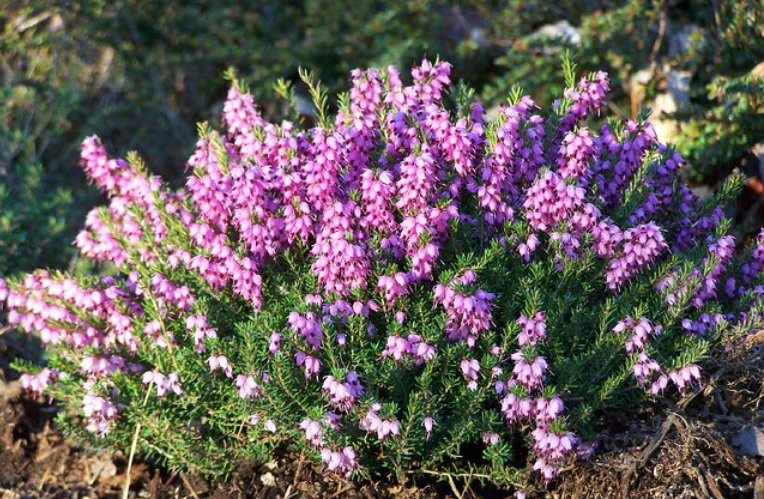
Hey garden buddies, if you’re craving that soft rosy glow to brighten up your outdoor space when the heat kicks in, then Mediterranean pink heather in summer is gonna steal your heart. I first spotted this beauty a couple years back and dang, it totally transformed our little patio corner. Those light green needle-like leaves stay fresh and vibrant even in the sticky summer months, and with a bit of smart care, you get intermittent rosy pink bell-shaped flowers popping up to keep things interesting. We planted a few patches of Erica x darleyensis ‘Mediterranean Pink’ and now it’s our favorite low-maintenance star – mounding nice and low at 6-12 inches tall, spreading 18-24 inches wide, perfect for filling gaps without taking over.
In this post, I’ll lay out everything simple and straight about Mediterranean pink heather in summer so you can nail it in your own yard. We’ll cover why this semi-evergreen shrub shines right now, the exact soil and sun tricks that make those pink blooms happen, step-by-step planting and care, plus tons of landscaping ideas that turn boring spots into eye-catching displays. I promise by the end you’ll be itching to grab some plants and get that Mediterranean pink heather in summer vibe going strong. Let’s dive right in – no fluff, just the good stuff to get your garden blooming.
Why Mediterranean Pink Heather Rocks in Summer (And Why We Can’t Stop Planting It)
Mediterranean pink heather in summer ain’t just another pretty face; it’s a tough little mounding shrub that brings year-round interest but really steps up when the weather warms. The main show is late winter to early spring with hundreds of delicate rosy pink bell-shaped flowers covering the plant like a fluffy pink blanket. But here’s the cool part – with the right tweaks, it reblooms intermittently through summer, giving you extra pops of color when most gardens look a bit tired. Our Erica x darleyensis ‘Mediterranean Pink’ patches put on a solid display last July, with fresh light green foliage and scattered pink blooms that made the whole area feel alive.
We love how drought tolerant it gets once established too. No more daily watering battles in the heat – just deep soaks every now and then and it keeps going strong. The needle-like leaves stay that fresh light green all season, sometimes picking up a slight bronze edge only if things get really dry. In summer, Mediterranean pink heather in summer works as awesome groundcover, spilling over rock edges or filling containers without getting leggy. It handles full sun like a champ (at least 4-6 hours) but appreciates afternoon shade in hotter spots so it don’t stress out.
Here’s a quick bullet list of why we keep adding more Mediterranean pink heather in summer to our setups:
- Low and mounding habit – Stays compact at 6-12 inches tall and spreads nicely without invading space.
- Rosy pink summer surprises – Intermittent blooms keep the color going beyond spring.
- Light green foliage year-round – That fresh needle look contrasts great with other plants.
- Drought tolerant once settled – Saves water and time in hot months.
- Semi-evergreen toughness – Handles heat, wind, and even some neglect better than fussy flowers.
- Deer resistant and low maintenance – Fewer pests mean more time enjoying the garden.
- Versatile for small spaces – Perfect for our balcony pots and borders here.
If your summer garden needs a lift, Mediterranean pink heather in summer is the easy win we swear by.
Mediterranean Pink Heather Growth Habits
Mediterranean pink heather is a low-growing, mounding shrub that typically reaches 6-12 inches tall and spreads 18-24 inches wide The tiny needle-like leaves remain an attractive light green year-round During its early spring bloom period, this heather explodes with hundreds of tiny bell-shaped flowers in a bright rosy pink shade. The abundant blooms completely cloak the shrub.
This heather variety is considered semi-evergreen. While it never fully loses its foliage, the leaves may take on a bronzed or purple tinge in winter. As temperatures warm in spring, the new leaf growth resumes its fresh green coloring.
Picking the Right Spot and Soil for Mediterranean Pink Heather in Summer
Getting the basics right makes all the difference for that Mediterranean pink heather in summer performance. It craves acidic well-drained soil – think pH 4.5 to 6.0, just like azaleas or rhododendrons. We mix in plenty of peat moss or pine bark if our local dirt is too neutral, and it pays off with stronger growth and more rosy pink flowers. Heavy clay? No problem – plant on a mound or in raised beds so water drains fast and roots don’t rot.
Sun is key too. Full sun to partial shade works best, with morning light preferred in summer to avoid scorching. In our hotter spells, we give afternoon shade to keep the light green foliage looking crisp instead of fried. Space plants 18-24 inches apart for good air flow – that prevents fungal stuff and lets each Erica x darleyensis ‘Mediterranean Pink’ mound out full and pretty.
Quick table we use when planning new spots for Mediterranean pink heather in summer:
| Aspect | Ideal Condition | What Happens If Wrong | Summer Tip We Use |
|---|---|---|---|
| Soil pH | Acidic 4.5-6.0 | Yellow leaves, weak blooms | Test and add peat moss |
| Sun Exposure | Full sun (4-6+ hours) | Leggy growth, fewer rosy pink flowers | Morning sun + afternoon shade |
| Drainage | Well-drained, moist but not soggy | Root rot and dying plants | Raised beds or sandy mix |
| Spacing | 18-24 inches apart | Crowding leads to disease | Give room for mounding spread |
| Water at Planting | Regular first year | Wilting or stress in heat | Deep weekly soaks till established |
Follow this and your Mediterranean pink heather in summer will thrive like ours did.
Step-by-Step: How We Plant and Care for Mediterranean Pink Heather in Summer
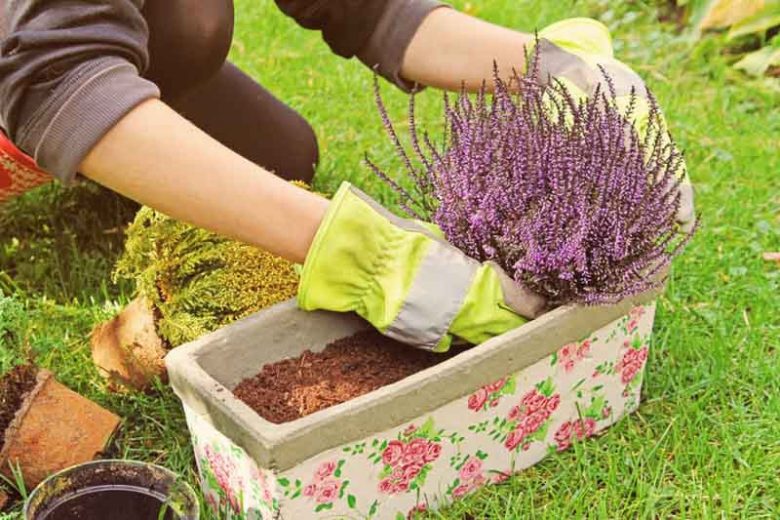
Planting Mediterranean pink heather in summer is straightforward – we do it in spring or fall for best root establishment, but you can add new ones now if you water careful. Dig a hole twice as wide as the root ball, same depth, and loosen the roots a bit before popping it in. Backfill with your acidic mix, water deep, and mulch around the base with pine needles or bark to hold moisture and keep soil acid.
Once in, care is easy but consistent. Water regularly the first season – about once or twice a week if soil feels dry – to build deep roots. After that, Mediterranean pink heather in summer turns drought tolerant, needing less attention. We fertilize lightly in early spring with an acidic formula made for ericaceous plants, no more than a light sprinkle so it don’t get spindly. Overdoing it is a mistake I made early on – leggy branches everywhere!
Pruning is the secret for those extra summer blooms. After the big spring flush of rosy pink bell-shaped flowers fades, give a light trim just below the spent stems. Don’t cut into old wood or you’ll lose next year’s flowers. This encourages fresh growth that often reblooms intermittently in summer, keeping the light green foliage topped with pink surprises.
Bullet points for ongoing summer care we follow:
- Watering routine – Deep soak when top inch dries; less once established but don’t let it bone dry in heat.
- Fertilizer boost – One spring application of acid-loving plant food; skip if soil has organic matter.
- Mulch refresh – Add a 2-inch layer to lock in moisture and acidity all summer long.
- Pest watch – Check for aphids, mites, or thrips; hit ’em early with insecticidal soap.
- Shade help – Afternoon cover in peak heat keeps rosy pink blooms coming.
- Air circulation – Space right and prune lightly to stop fungus on light green leaves.
Last summer our Mediterranean pink heather in summer handled a dry spell way better than expected thanks to this setup. The plants stayed compact, foliage bright, and we even got a second wave of pink flowers in August!
Landscaping Ideas with Mediterranean Pink Heather in Summer That Pop
One of the best things about Mediterranean pink heather in summer is how versatile it is. We use it as evergreen groundcover in mass plantings – those mounding habits knit together into a carpet of light green with rosy pink accents that looks amazing against darker rocks or conifers. Picture it spilling over stone walls or terraces; the low 6-12 inch height makes it perfect without blocking views.
In rock gardens or alpine setups, Mediterranean pink heather in summer shines. Pair the light green needle foliage with gravel paths and it creates that Mediterranean vibe we love. Borders along pathways work great too – the rosy pink blooms guide you through the garden while the compact spread keeps everything tidy.
Containers are another winner for us. Plant Erica x darleyensis ‘Mediterranean Pink’ in wide pots with other acid-lovers like dwarf pines or small hebes. The summer combination of fresh green leaves and occasional pink bells makes a portable display you can move to chase sun or shade. We group three or five pots on the deck for instant impact.
More ideas we tried that worked awesome:
- Mixed borders – Tuck Mediterranean pink heather in summer between taller perennials for low foreground color.
- Cascading over edges – Let it tumble down retaining walls for soft pink waterfalls in summer.
- Accent with evergreens – Contrast the rosy pink against dark green junipers or blue spruce.
- Pathway edgers – Line walks with it for fragrant, bee-friendly summer strolls.
- Small space savers – Use in balcony boxes or raised planters where space is tight like ours.
Every time we snap photos of our Mediterranean pink heather in summer setups, friends ask what the secret is. It’s just the right plant in the right spot!
Troubleshooting Common Summer Issues with Mediterranean Pink Heather
Even tough plants like this can hit snags, but fixing ’em is simple. Leaves turning brown or purple? Usually too much sun or not enough water – add afternoon shade and ramp up soaking. Few or no blooms in summer? Prune right after spring and fertilize early with acidic stuff to push new growth.
Leaf spotting? Improve air flow and skip overhead watering. Pests like aphids showing up? A quick soap spray knocks ’em out before they mess with the rosy pink flowers. We had a bit of browning one hot week but deep watering and mulch fixed it fast – now the light green foliage looks better than ever.
Seasonal Tips to Keep Mediterranean Pink Heather Thriving Year-Round
While we’re talking summer, a quick note on transitions helps. In fall, ease off water so plants harden up. Winter mulch with 2-4 inches of bark keeps roots cozy. Come spring, prune light and fertilize for that big rosy pink show, which sets up the intermittent summer reblooms.
In our climate, Mediterranean pink heather in summer bridges the seasons nicely – the semi-evergreen nature means no bare spots while waiting for other plants to wake up. Divide crowded clumps every 3-4 years in early spring if blooms slow down; it’s an easy way to get more plants for free.
Personal Stories: How Mediterranean Pink Heather Changed Our Garden Game
I gotta say, adding Mediterranean pink heather in summer was a game changer for us. Our first batch went into a rocky corner that used to look sad and dry. Now it’s a lush mound of light green with those surprise rosy pink bells that make morning coffee on the patio extra nice. The kids love poking at the needle foliage and spotting new blooms – turns gardening into family fun.
One neighbor copied our container idea and her balcony exploded with color. We even entered a local plant show with a mass planting of Erica x darleyensis ‘Mediterranean Pink’ and got compliments on how it held up in the heat. These plants forgive minor mistakes and reward you with steady beauty. I messed up watering once and they bounced back quick once I fixed the routine.
More Creative Ways to Use Mediterranean Pink Heather in Summer
Why stop at basics? Try layering it with trailing plants in hanging baskets for vertical pink pops. Or mix different pink shades if you find similar Erica types – though our favorite is still the classic rosy Mediterranean pink heather in summer look. For bigger yards, create drifts along slopes where drainage is naturally good.
In hotter areas, combine with drought buddies like lavender or sedum for a low-water summer oasis. The light green foliage plays nice with silver-leaved plants for contrast that photographs beautifully. We even used it to edge a vegetable bed – the rosy pink flowers attract pollinators while keeping things pretty.
Don’t forget fragrance – those bell flowers have a light sweet scent on warm summer evenings. Sit nearby and enjoy! For cut arrangements, snip a few stems; they last decent in vases and bring that garden feel indoors.
Wrapping It Up: Get Your Mediterranean Pink Heather in Summer Blooming Today
There you have it – everything you need to make Mediterranean pink heather in summer the star of your garden. From the mounding habit and light green needle-like foliage to those intermittent rosy pink blooms, this Erica x darleyensis ‘Mediterranean Pink’ delivers big on easy beauty. We keep expanding our patches because the payoff is huge: color, texture, and low fuss all season.
Grab some plants this weekend, prep that acidic soil, and watch your space transform. Whether in groundcover drifts, rock gardens, or containers, Mediterranean pink heather in summer brings that effortless charm. Drop me a comment if you try it – I’d love to hear how your rosy pink summer display turns out! Happy planting, y’all. Your garden’s about to get a whole lot prettier and tougher in the heat.
One more thing – experiment a little with spots and companions. What started as a small trial for us grew into this obsession with Mediterranean pink heather in summer. The way it handles our warm days with minimal water while still throwing occasional pink flowers is just rewarding. In small spaces or big yards, it fits right in and keeps giving.
Think about your own microclimate too. If afternoons get scorching, that partial shade trick saves the light green foliage and pushes more blooms. We mulch heavy and space well, and our Erica x darleyensis ‘Mediterranean Pink’ hasn’t skipped a beat. For cooler pockets, it takes light frost fine with a bit of protection.
Expanding on design, consider pot colors – dark ones make the rosy pink stand out more against the green. Group odd numbers for natural flow that looks pro in every view. We mixed in some blue fescue nearby and the contrast popped in summer photos like crazy.
Troubleshooting deeper: if growth slows mid-summer, it’s probably heat stress or low nutrients. A light acidic feed and extra mulch usually perks it right up. Pests rarely hit hard if air circulates, but catching early keeps the blooms coming.
The pollinators love it too – bees buzz around those bell flowers nonstop, adding life to the garden. Kids get excited spotting butterflies on the Mediterranean pink heather in summer. It’s turned our yard into a little wildlife haven without extra work.
I could keep chatting about this plant forever, but you get the picture. Mediterranean pink heather in summer is low effort, high reward, and those light green mounds with rosy surprises make every day better. So go ahead, plant some today and enjoy the magic!
We started small with just three plants and now have drifts everywhere. The semi-evergreen trait means winter interest too, but summer is when it really earns its keep with that fresh foliage and extra blooms. Pair it right and your neighbors will be asking for cuttings. Trust me, once you see Mediterranean pink heather in summer up close, you’ll be hooked like we are. Garden on, friends – those pink bells are waiting!
Mediterranean Pink Heather | #shorts
FAQ
What does Mediterranean pink heather look like in summer?
How do you care for Mediterranean pink Heather?
Does Heather bloom all summer?
How do you prune summer flowering heathers?

- How Fast Does Boston Ivy Grow? A Complete Growth Guide - June 9, 2026
- Gravel for Garden Beds: A Functional and Beautiful Option - June 9, 2026
- The Best Mulch for Raised Garden Beds – Pros, Cons, and Tips - June 9, 2026